
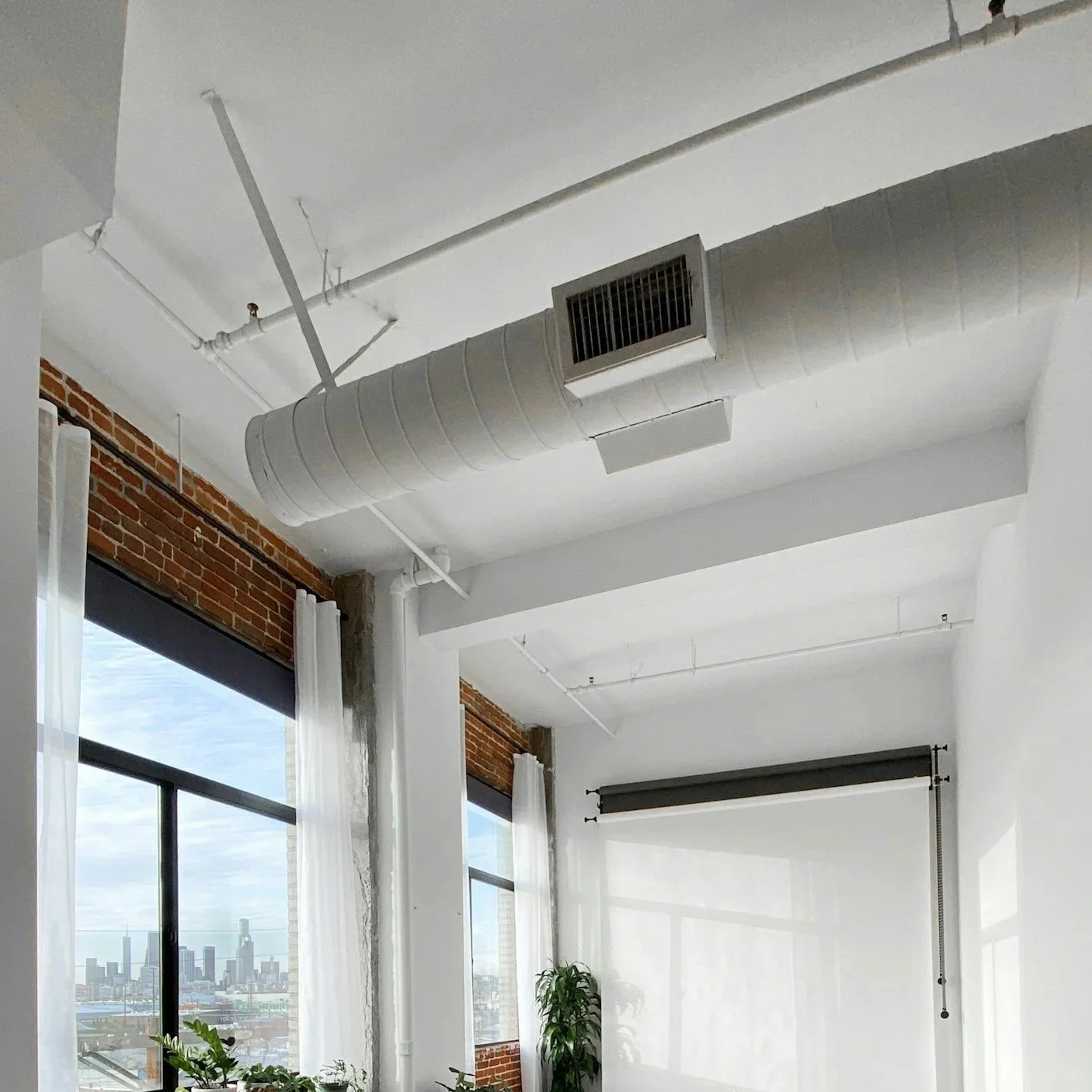
Duct replacement often becomes necessary when years of wear, poor installation, or environmental damage have compromised performance.
Air ducts are the hidden highways of heating and cooling systems, quietly carrying conditioned air throughout a building. When they are healthy, they provide steady comfort, balanced airflow, and manageable utility bills. When they fail, problems ripple through the entire system. Comfort drops, energy costs rise, and indoor air quality declines. Duct replacement often becomes necessary when years of wear, poor installation, or environmental damage have compromised performance. What looks like a few dust bunnies around vents may be a clue that the system behind the scenes is struggling to do its job.
The Seasonal Spike In Dust And Allergies
Many people chalk up sneezing and watery eyes in spring and fall to seasonal allergies. While pollen plays a role, aging ducts often worsen symptoms by circulating dust and allergens trapped inside the system. When heating or cooling switches on for the first time in months, ducts push out particles that have been sitting dormant. Older ducts may have leaks that pull dust from attics or crawl spaces directly into the system. Replacing ductwork with modern, sealed materials reduces exposure to allergens, creating cleaner air and easier breathing year-round.
Rising Energy Bills Without a Clear Reason
A sudden spike in energy bills often signals ducts that no longer withstand seasonal demand. Leaky ducts allow heated or cooled air to escape before it reaches living or working spaces. That forces the HVAC system to run longer and harder to maintain set temperatures. Over time, the added strain leads to more repairs and a shorter lifespan for the equipment. Businesses and homeowners who notice bills creeping up even though usage patterns haven't changed should consider duct replacement. New ducts restore efficiency and reduce operating costs, saving money year after year.
Uneven Temperatures In Different Rooms
Few things frustrate occupants more than walking from one room to another and feeling a drastic temperature change. Seasonal weather shifts often make these hot and cold spots worse. Leaks, gaps, or collapsed ducts prevent air from reaching some rooms while oversupplying others. The result is constant thermostat battles and wasted energy. Replacing damaged ducts corrects airflow issues, creating balanced comfort throughout the building. Professional design also helps, since poorly sized or poorly routed ducts often cause the same problem.
Unusual Noises From The System
Rattling, whistling, or banging sounds echoing through ducts are not normal. Whistling often signals leaks, while rattling comes from loose connections. In severe cases, collapsing ducts make popping or banging sounds under pressure. These noises may be louder during peak usage in summer or winter. While some issues can be repaired, repeated or widespread noise often signals that replacement is the most effective solution. Seasonal inspections offer an opportunity to address duct noise before it escalates into major problems.
Visible Dust Buildup Around Vents
When dust piles up quickly around vents, even after cleaning, ducts are often the culprit. Damaged or leaky ductwork pulls in dust from crawl spaces, basements, or attics and pushes it into occupied rooms. Over time, filters clog faster, air quality declines, and equipment works harder. Seasonal changes often make dust worse, since systems sit idle and then restart, stirring up particles. Duct replacement seals off entry points for dust and debris, supporting cleaner air and healthier living and working conditions.
Strange Odors During Seasonal Startups
Switching on the furnace in the fall or the air conditioner in the spring sometimes releases unpleasant smells. Musty odors often indicate mold growth in ducts, especially when moisture has been present. Burning smells may signal heavy dust buildup on components. While short-lived odors can be harmless, persistent smells usually indicate deeper duct problems. Mold and mildew not only affect air quality but also damage duct materials over time. Replacing ducts removes contaminated sections and prevents odors from cycling through the system season after season.
Age And Wear Over Time
No ductwork lasts forever. Materials dry out, seals loosen, and insulation degrades. The typical lifespan of ducts ranges from fifteen to twenty years, depending on maintenance and environmental conditions. Beyond that point, efficiency declines significantly, and repair costs begin to outweigh replacement costs. Seasonal issues become more noticeable, with comfort problems and air leaks increasing year after year. Investing in new ducts resets the clock, allowing modern HVAC systems to operate at their best and keeping indoor conditions steady.
Pest Problems And Duct Damage
Rodents, insects, and other pests often find their way into duct systems when the seasons change. Once inside, they chew insulation, leave droppings, and sometimes tear holes in ducts. Aside from being unpleasant, pest damage causes leaks that waste energy and spread contaminants. Professional duct replacement eliminates compromised sections and helps prevent pests from finding an easy entry point. New ducts, combined with proper sealing, discourage infestations and protect both comfort and air quality.
Health Effects Linked To Old Ducts
Dusty ducts do more than create a cleaning headache. They contribute directly to respiratory irritation, headaches, and frequent illness. Mold spores, pet dander, and dust mites accumulate in ductwork and spread throughout a building whenever the system runs. Seasonal flare-ups of colds or sinus issues may be tied to contaminated ducts. Replacing aging or damaged ductwork removes a significant source of poor indoor air quality, supporting healthier homes and businesses where people spend most of their time.
The Role Of Professional Inspection
Determining whether ducts need replacement is not always obvious. Professional technicians use specialized tools to measure airflow, locate leaks, and inspect hidden sections of ductwork. Seasonal inspections often uncover issues before they become severe. Experts also evaluate duct design, identifying whether poorly sized or poorly routed ducts are causing comfort problems. Replacement guided by professional design prevents future issues and improves overall system efficiency, making comfort more reliable in every season.
Seasonal Timing For Duct Replacement
Planning duct replacement around seasonal patterns provides the most benefit. Spring and fall are ideal because systems are under less pressure and technicians have greater availability. Replacing ducts before summer or winter ensures the system is ready for heavy use when temperatures are extreme. Proactive scheduling helps avoid emergencies during peak demand, when service appointments are harder to book. Seasonal timing also allows for a smoother installation process without disrupting comfort during the busiest heating or cooling months.
The Cost Of Ignoring The Signs
Delaying duct replacement often ends up costing more in the long run. Energy bills rise as leaks worsen, repairs pile up, and comfort issues heighten frustration. Poor air quality can cause higher healthcare costs and employee absenteeism. In severe cases, damaged ducts shorten the life of heating and cooling equipment, forcing premature replacement of the entire system. Addressing duct issues proactively saves money, improves comfort, and supports healthier living and working environments.
Why Professional Replacement Matters
Duct replacement is more than swapping old metal for new. Proper sizing, sealing, and insulation determine how well the entire HVAC system performs. Professional technicians design duct systems to meet a building's specific needs, avoiding common issues such as weak airflow or uneven temperatures. After installation, experts test the ducts to confirm efficiency and comfort. The difference is noticeable immediately, from lower bills to improved air quality. Professional replacement delivers peace of mind and reliable performance year-round.
Long-Term Benefits Of New Ductwork
Investing in new ducts offers benefits that extend well beyond the first season. Modern materials reduce energy loss, better sealing prevents dust and allergens from entering, and balanced airflow improves comfort in every room. Over time, these improvements lower repair costs, extend the life of HVAC equipment, and create healthier spaces. For businesses, that means improved productivity and customer satisfaction. For homeowners, it means fewer complaints about hot and cold spots and lower monthly bills. The long-term return makes duct replacement one of the smartest upgrades for any building.
