
Chill Smarter, Not Harder: Seasonal Commercial Cooling Tips for Every Business
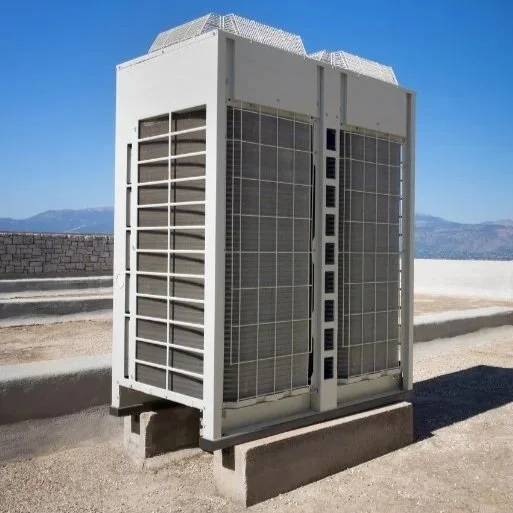
Few employees notice it when it works properly, but the moment a system sputters or struggles, everyone feels it.
Commercial cooling is the unsung hero of workplace comfort. Few employees notice it when it works properly, but the moment a system sputters or struggles, everyone feels it. Cooling systems do more than regulate temperature. They keep servers from overheating, protect delicate products, and maintain the calm atmosphere businesses rely on. Seasonal attention is key to making sure systems continue to run without fuss. Cooling units face different demands in summer than in fall and winter, and understanding those seasonal shifts helps keep energy costs from ballooning and equipment from wearing out prematurely.
Preparing For Cooler Months
Once the rush of summer heat subsides, cooling equipment finally takes a deep breath. Fall presents the perfect opportunity for inspections and tune-ups. Technicians often find filters coated in dust from months of heavy use. Replacing them now prevents circulation issues down the line. Outdoor units may also be surrounded by leaves, twigs, or weeds that crept up over the summer. Clearing away debris allows proper airflow. Internal components such as coils, fan blades, and belts often show signs of wear after long, hot seasons. Addressing them in the cooler months saves a business from emergency repairs when the next wave of heat arrives.
The Role Of Thermostat Adjustments
Too many offices treat thermostat settings like sacred numbers carved in stone. Yet energy savings often lie in making small seasonal tweaks. During fall and winter, slightly higher cooling set points keep energy use in check while maintaining comfortable conditions. Smart thermostats enhance this by learning occupancy habits, dialing back usage when spaces sit empty, and ramping up again before people arrive. The result is a smoother balance between comfort and efficiency. Businesses benefit from lower bills and fewer employee complaints about rooms that feel more like storage freezers than workspaces.
Airflow And Duct Efficiency
If a system is the lungs of a building, the ducts are its arteries. When they are clogged, leaking, or poorly balanced, performance takes a nosedive. Many businesses assume weak cooling comes from the unit itself, when in reality, the ducts are often to blame. Seasonal duct inspections reveal gaps, dust buildup, or insulation failures that hurt efficiency. Clean, well-sealed ducts distribute air evenly, reduce strain on fans, and prevent hot or cold spots from becoming a regular frustration. The payoff extends beyond temperature control. Cleaner ducts support healthier indoor air, which is particularly important when windows remain closed during colder seasons.
The Truth About System Size
A myth that refuses to retire is the idea that bigger cooling systems always deliver better results. Oversized systems have a short cycle, flipping on and off so quickly that they waste energy and leave humidity uncontrolled. Undersized units strain to keep up, running constantly until parts wear out early. Seasonal evaluations give businesses a chance to review whether their current system matches their space and usage. Technicians can run load calculations that factor in square footage, insulation, and occupancy. Adjustments or system upgrades tailored to the building's needs prevent wasted money and extend equipment's lifespan.
Preventive Maintenance Pays Off
It is tempting to put cooling equipment out of mind during fall and winter. Yet preventive maintenance performed now is worth its weight in energy savings later. Professional service typically includes lubricating moving parts, checking refrigerant pressure, tightening electrical connections, and calibrating thermostats. These steps may seem small, but they keep minor issues from snowballing into costly shutdowns. Maintenance agreements make the process even easier by scheduling visits around seasonal needs. Businesses appreciate the predictable costs and peace of mind that come with knowing their system is prepared for the next challenge.
Energy Efficiency Opportunities
Seasonal shifts bring opportunities to improve efficiency beyond the cooling system itself. Upgrading to variable-speed motors allows equipment to match output to demand rather than running at full blast all the time. Energy recovery ventilators reclaim heat or coolness from exhausted air, further trimming energy use. Even small building changes, such as sealing leaks around doors and windows, lighten the load on commercial cooling units. During fall and winter, when equipment is less taxed, it makes sense to invest in upgrades that will make a noticeable difference once summer returns.
Comparing System Styles
Not every business relies on the same cooling setup. Rooftop units appeal to many because they save indoor space and keep noise away from customers, but they are constantly exposed to the weather. Split systems are flexible, with indoor and outdoor components that allow better zoning control, though they require more complex ductwork. Chillers and cooling towers remain the backbone of large facilities, handling immense loads efficiently, but they demand specialized care to prevent costly breakdowns. Seasonal inspections offer the opportunity to compare system types, weigh pros and cons, and plan for future expansions or replacements.
Indoor Comfort Beyond Temperature
Comfort inside a building is about more than a number on a thermostat. During fall and winter, indoor air quality often declines as windows remain sealed. A well-maintained cooling system helps filter out dust, allergens, and pollutants. Dehumidification may also play a role, helping maintain balanced moisture levels and preventing musty odors. Some businesses add air purification systems that work with existing cooling units to further improve wellness. Employees and customers alike notice the difference when a building feels fresh rather than stuffy, making seasonal commercial cooling maintenance an investment in productivity and health.
Technology Upgrades For Smarter Cooling
Cooling technology has evolved far beyond simple switches and fans. Smart sensors now monitor occupancy and adjust output in real time. Building automation systems link lighting, cooling, and security systems to improve overall efficiency. Predictive analytics flag potential equipment issues before they interrupt operations. Seasonal downtime provides the perfect window to install these upgrades without disrupting daily routines. Businesses that adopt smart technology not only find lower bills but also greater control and insight into how their systems operate.
Scheduling For Success
The busiest time to call an HVAC professional is always during a heatwave. Unfortunately, that is also when technicians are booked solid, and emergency repairs cost more. Scheduling inspections and tune-ups in fall and winter avoids the rush. Businesses secure convenient appointments, enjoy lower service rates, and enter the next warm season confident that their systems are ready. Regular scheduling also builds a history for each unit, making it easier to track performance trends and plan replacements before sudden failures occur.
Cost Saving Strategies That Work
Beyond equipment upgrades and maintenance, businesses can adopt practical strategies to cut costs. Adjusting cooling system operating hours to match occupancy reduces unnecessary runtime. Installing programmable thermostats in heavily used zones prevents energy waste in unoccupied spaces. Encouraging employees to close blinds during the hottest hours reduces solar gain, helping the system work more efficiently. Even small steps like sealing gaps around ductwork or replacing worn insulation add up to noticeable savings. Seasonal planning makes these strategies easier to implement consistently.
Why Professional Help Matters
Commercial cooling systems are intricate machines that require knowledge, training, and specialized tools. A do-it-yourself approach often leads to misdiagnosed issues, temporary fixes, or worse, voided warranties. Professional technicians handle refrigerants safely, understand airflow calculations, and recognize the subtle signs of wear that amateurs overlook. Their expertise guarantees that seasonal service is not just a checklist but a comprehensive safeguard for comfort, efficiency, and long-term value. Businesses that rely on professionals avoid the headaches of recurring breakdowns and can focus on operations instead of emergencies.
