
Heat Pumps Explained: Heating and Cooling in One System
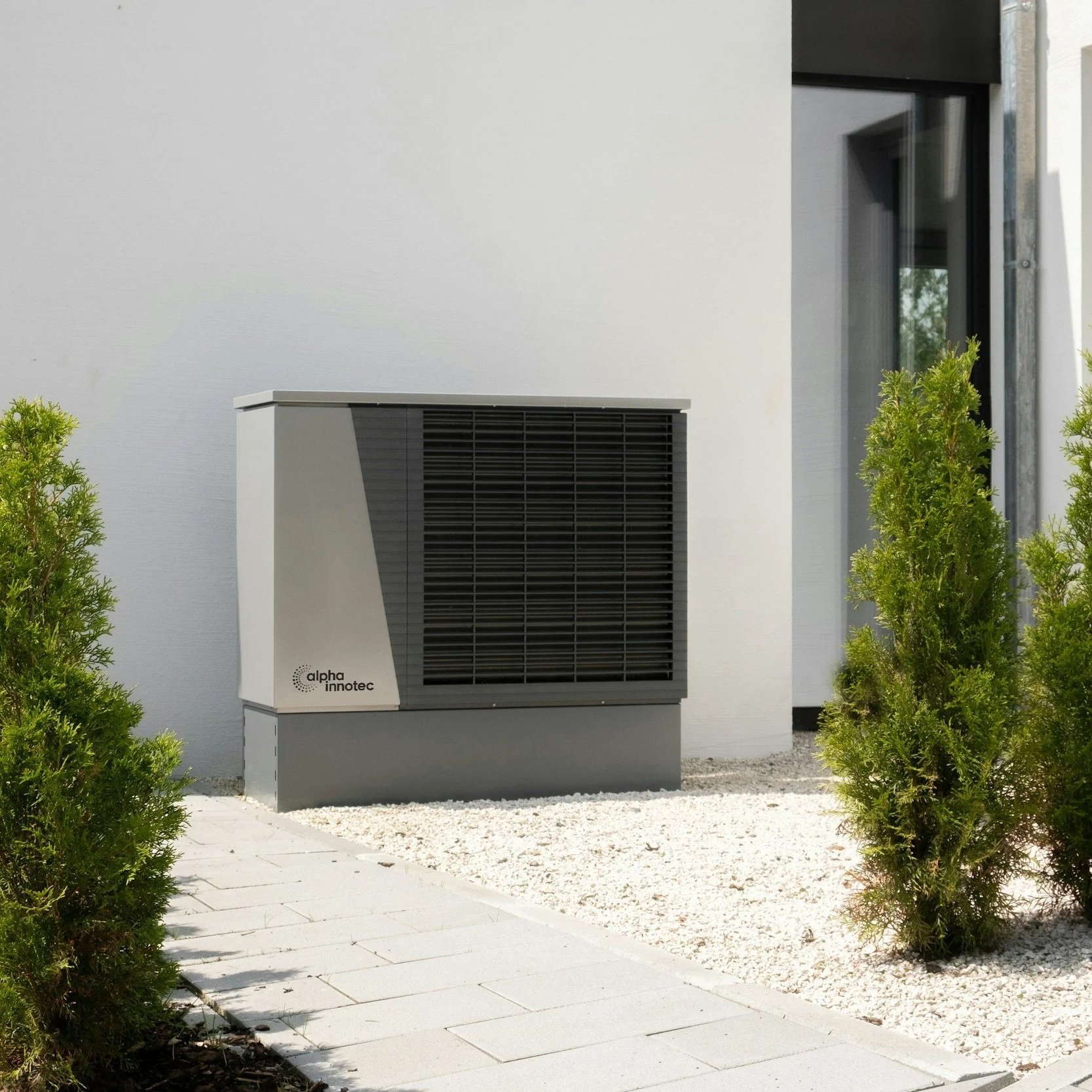
In reality, a heat pump works like a two-in-one system, providing both heating and cooling for a building.
Many people hear the term heat pump and assume it is only a heating device. In reality, a heat pump works like a two-in-one system, providing both heating and cooling for a building. It functions by transferring heat rather than creating it. In cooling mode, it pulls heat from indoors and moves it outside, similar to how a refrigerator operates. In heating mode, it pulls heat from outdoor air and brings it inside. Even when outdoor temperatures feel cold, heat energy is still available for transfer. The ability to move heat in both directions makes a heat pump versatile and efficient.
Why Heat Pumps Stand Out
Traditional systems rely on furnaces for heating and air conditioners for cooling. Heat pumps combine both functions into a single unit. That simplification means fewer systems to maintain and less space occupied by bulky equipment. Their energy efficiency is another standout feature. Since they move heat rather than generate it, they often consume less electricity than conventional systems. For businesses looking to lower utility bills without sacrificing comfort, heat pumps offer a compelling solution.
Energy Efficiency Advantages
A significant reason heat pumps are gaining attention is their efficiency. Because they transfer heat instead of burning fuel, they often deliver more heating or cooling energy than the electricity they consume. That efficiency translates into lower monthly costs and a smaller carbon footprint. For businesses trying to manage expenses, the savings add up quickly. Professional technicians can calculate the potential energy savings and compare them with existing systems, giving owners a clear picture of the financial benefits.
Types Of Heat Pumps
Not all heat pumps look or operate the same way. Air source heat pumps are the most common, pulling heat from outdoor air. Ground source or geothermal systems draw heat from the ground, offering higher efficiency but requiring more complex installation. Ductless mini split heat pumps serve individual rooms or zones without ductwork, offering flexibility for buildings with unique layouts. Each type comes with pros and cons, and the right choice depends on space, budget, and comfort needs. Professional assessments help determine which design works best for a specific property.
Common Misconceptions About Heat Pumps
A frequent misconception is that heat pumps do not work well in colder weather. Modern models are designed to operate at lower outdoor temperatures than older models could handle. Another misunderstanding is that heat pumps are only for residential use. In reality, commercial properties benefit from them as well, especially when zoning and efficiency matter. Some also believe heat pumps are noisy, but advances in technology have made them quieter than many traditional systems. Clearing up these misconceptions helps business owners make informed decisions about their comfort systems.
Maintenance Requirements
Like all HVAC equipment, heat pumps require regular service to stay reliable. Filters need to be replaced or cleaned, coils should be inspected, and electrical connections must be checked. Professional maintenance also includes checking refrigerant levels, testing airflow, and confirming the system switches smoothly between heating and cooling. Neglecting maintenance reduces efficiency and shortens system lifespan. Businesses that schedule seasonal maintenance benefit from fewer breakdowns, more consistent comfort, and lower operating costs.
The Role Of Smart Technology
Modern heat pumps often integrate with smart thermostats and building automation systems. These controls allow more precise management of heating and cooling, automatically adjusting based on occupancy and time of day. The result is greater comfort and energy savings without the need for constant manual adjustments. Businesses with fluctuating occupancy, such as offices with varying schedules or retail stores with peak hours, benefit from these smart integrations. Professional technicians handle setup and optimization to make sure the system performs to its full potential.
Zoning And Comfort Control
One of the strengths of many heat pump systems is their ability to provide zoning. Instead of cooling or heating a whole building uniformly, zones allow different areas to be managed separately. Employees in a busy office area can enjoy cooler air while a storage room runs at a different temperature. That flexibility improves comfort and prevents wasted energy on spaces that do not need as much conditioning. Zoning also reduces disputes over thermostat settings, since each zone can be adjusted independently.
Heat Pumps And Indoor Air Quality
Comfort is not only about temperature. Heat pumps also play a role in managing indoor air quality. They help regulate humidity levels, preventing spaces from feeling sticky in summer or overly dry in winter. Air filtration within the system captures dust, allergens, and pollutants that would otherwise circulate indoors. For businesses, better air quality supports healthier employees and a more pleasant environment for customers. Pairing heat pumps with additional filtration or purification systems further enhances indoor comfort.
Cost Considerations
When evaluating heat pumps, the upfront cost is often compared with that of traditional systems. While the initial investment may be higher, the long-term savings in energy bills and reduced maintenance often outweigh the difference. Incentives, rebates, and financing options may also be available, making heat pumps more affordable. Professionals can help businesses calculate the total cost of ownership, balancing the purchase price with long-term operating savings. Understanding the financial picture prevents surprises and highlights the true value of heat pumps.
Seasonal Performance Benefits
Heat pumps shine during seasonal transitions. During spring and fall, when temperatures vary daily, a heat pump smoothly switches between heating and cooling without requiring two separate systems. That adaptability keeps indoor conditions steady without the inefficiency of running a furnace one day and an air conditioner the next. Seasonal performance makes heat pumps especially attractive for businesses that need consistent comfort year-round. A professional setup secures seamless operation across modes, maximizing convenience.
Environmental Impact
Heat pumps are recognized for their lower environmental impact compared to fossil-fuel heating systems. By relying on electricity to transfer heat, they lower greenhouse gas emissions. Businesses aiming to meet sustainability goals often choose heat pumps as part of their strategy. Lower energy consumption also means fewer resources are used overall. Professional installation and maintenance keep systems operating at peak efficiency, further supporting environmental and financial benefits.
Integration With Renewable Energy
Heat pumps team well with renewable energy sources such as solar panels. By running a highly efficient system on clean energy, businesses amplify their sustainability efforts. A heat pump powered partly by solar reduces reliance on the grid and stabilizes long-term energy costs. Combining renewable energy with heat pumps demonstrates a forward-thinking approach that aligns comfort needs with environmental responsibility. Professionals can design systems that integrate seamlessly with existing renewable energy systems.
Durability And Longevity
Another factor that makes heat pumps attractive is their potential lifespan. With proper care, heat pumps can serve reliably for many years. Regular maintenance and timely repairs extend their service life, reducing the need for early replacement. Longevity contributes to better returns on investment, as businesses benefit from consistent performance over time. While no system lasts forever, professional attention makes heat pumps one of the most dependable comfort solutions available.
Comparing To Traditional Systems
When comparing heat pumps with conventional furnace-and-air-conditioner combinations, differences stand out. Furnaces rely on burning fuel, producing emissions and, in many cases, higher operating costs. Air conditioners only provide cooling, so a separate heating system is needed for cold months. Heat pumps streamline comfort by meeting both heating and cooling needs in a single system. Fewer systems mean lower maintenance and easier service scheduling. Businesses that transition to heat pumps often notice simplified operations along with cost savings.
The Human Comfort Factor
Employees and customers rarely think about the mechanics behind a comfortable environment. They notice when something feels off. Heat pumps support steady temperatures, balanced humidity, and cleaner air, which combine to create a more pleasant atmosphere. That comfort translates into improved productivity, fewer complaints, and a better overall impression for visitors. While the technical details matter, the human side of comfort is often the biggest reason businesses invest in heat pump technology.
Why Professional Installation Matters
Proper installation is vital to the success of a heat pump. Load calculations must be accurate, refrigerant lines must be correctly charged, and airflow must be balanced. Errors during installation reduce efficiency, increase operating costs, and shorten system life. Professional technicians bring expertise, specialized tools, and knowledge of building codes to the job. They design the system to match the building’s unique needs, confirming reliable performance. Businesses that invest in professional installation enjoy the peace of mind that their system will deliver consistent comfort and savings.
